Vercel Was Hacked. Here's Why Every Business Website Owner Should Pay Attention.
On April 19, 2026, one of the most trusted names in web infrastructure confirmed what the internet had been buzzing about — a serious security breach.
Vercel, the cloud platform that hosts and deploys thousands of business websites and web applications worldwide, disclosed that attackers gained unauthorized access to its internal systems. The hackers — claiming to be associated with ShinyHunters, the group behind the Rockstar Games breach — posted on a cybercrime forum offering to sell Vercel's internal data for $2 million.
This isn't just a story about developers or tech companies. If your business website, e-commerce store, or customer portal is built on a third-party hosted platform, this news is directly relevant to you.
What Actually Happened?
The breach wasn't caused by some sophisticated zero-day attack on Vercel's core infrastructure. It started with something far more mundane — and far more common.
The entry point was Context.ai, a third-party AI tool used by a Vercel employee. That tool had a connected Google Workspace OAuth application, which was compromised as part of a larger attack affecting potentially hundreds of organizations. Through that compromised connection, attackers were able to escalate access into Vercel's internal environments.
Once inside, they accessed:
• Environment variables — the configuration settings that store API keys, database credentials, and authentication tokens for deployed applications
• Internal employee data — names, email addresses, and activity logs
• Customer project settings — backend configurations tied to live websites and applications
Vercel stated that environment variables explicitly marked as "sensitive" were stored in an encrypted format and showed no evidence of being read. However, unsensitised variables — which many developers don't think to flag — may have been exposed.
The company has since engaged incident response firms, notified law enforcement, and strongly advised all customers to review and rotate their environment variables immediately.
Why This Matters to Business Owners — Not Just Developers
Most business owners think about their website in terms of design and content. Security feels like a backend concern, something the developers handle.
But here's the reality: your website is a data system. It stores or connects to:
• Customer names, emails, phone numbers
• Payment credentials and order histories (if you run an e-commerce store)
• CRM integrations and lead data
• Login credentials for your admin panel
• Third-party API keys for tools like payment gateways, WhatsApp Business, Google services
When a platform like Vercel is breached, attackers don't just get Vercel's data — they potentially get access to your website's operational credentials.
If you're using a hosted platform — whether it's Vercel, Shopify, Wix, or even a shared hosting provider running WordPress with 30 plugins — you are trusting that platform with the keys to your digital business. And as this breach shows, that trust can be violated through a single compromised third-party tool, not even through your platform directly.
The Real Vulnerability: Platform Dependency
This incident exposes a structural problem that affects most business websites today: platform dependency creates a single point of failure.
Here's how the risk compounds:
1• Third-Party Trust Chains
Vercel itself wasn't directly hacked — it was compromised through a tool an employee used. Modern platforms integrate dozens of third-party tools. Each integration is another attack surface. You don't control that chain.
1• Shared Infrastructure
On shared hosting environments, a breach affecting one customer's data can sometimes escalate to affect others on the same server. This is why enterprise hosting, isolated environments, and custom infrastructure matter.
1• Unsecured Environment Variables
API keys and credentials stored as plain-text environment variables in a managed platform are only as secure as that platform's internal access controls. The Vercel breach showed those controls can fail.
1• No Direct Incident Notification
How did most Vercel customers find out? Through a Twitter/X post from their CEO and a security bulletin — not direct, immediate outreach. For businesses running live e-commerce stores, every hour of uncertainty is potential exposure.
What Should You Do If Your Website Is on a Managed Platform?
Whether you're on Vercel, Netlify, Shopify, or any other hosted solution, take these steps now:
Immediate Actions:
• Rotate all API keys connected to your website (payment gateway, CRM, email, analytics)
• Review your hosting platform's activity logs for unusual access
• Enable two-factor authentication on your hosting dashboard
• Check if your environment variables are marked as "sensitive" or encrypted
Medium-Term:
• Audit which third-party tools have OAuth access to your business accounts (Google Workspace, GitHub, etc.)
• Move critical credentials to a dedicated secrets manager (e.g., AWS Secrets Manager, HashiCorp Vault) rather than storing them as plain-text env variables
• Ensure your e-commerce platform stores no raw payment card data — only tokenized references via your payment gateway
Long-Term:
• Consider the architecture of your website. Do you actually own and control your data infrastructure? Or are you renting it from a platform that could be compromised, shut down, or change pricing without warning?
The Case for Custom-Built, Self-Controlled Web Infrastructure
At Webeez, we've seen this pattern repeatedly. Businesses choose managed platforms for convenience, then discover the hidden cost when something goes wrong.
A custom-built website — hosted on infrastructure you control, with a codebase you own — gives you:
• Full control over data storage and access — no third party can expose your customer database
• Isolated environments — your credentials don't sit alongside thousands of other businesses on a shared platform
• Direct incident response — if something happens, you (and your developer) act immediately, not after waiting for a platform's PR team to issue a bulletin
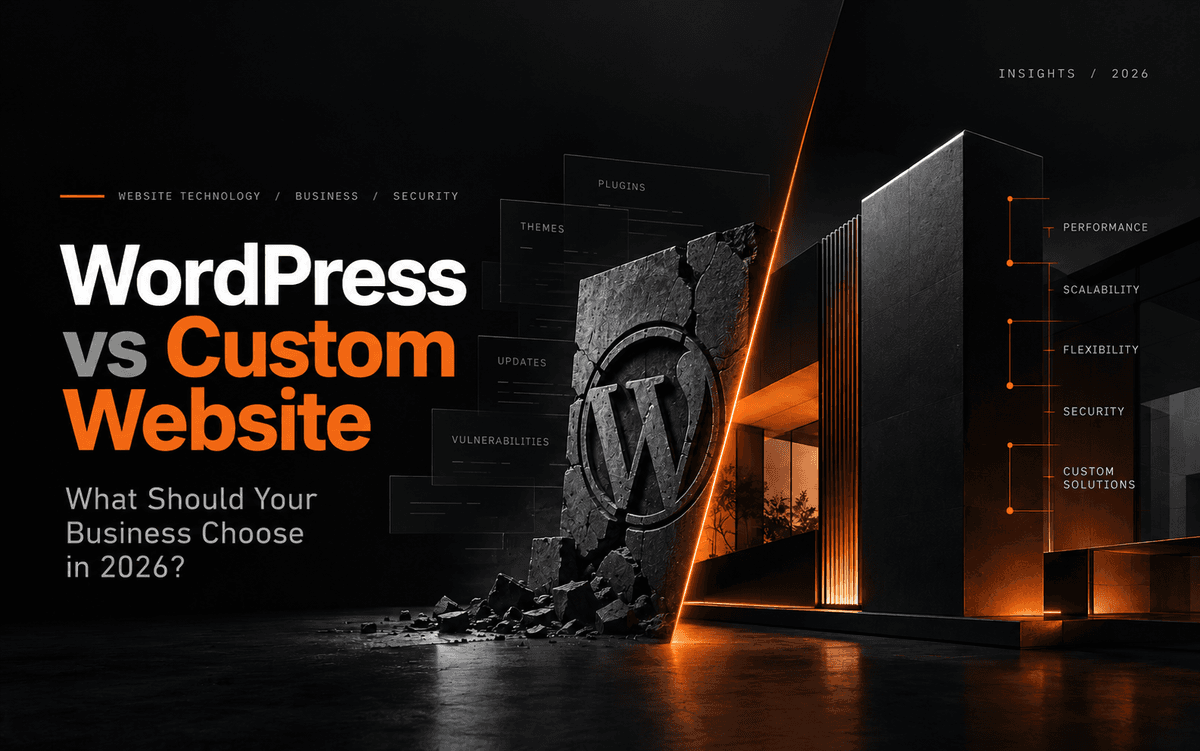
• No plugin dependency vulnerabilities — a common attack vector in WordPress and Shopify stores
This doesn't mean managed platforms are inherently bad. For small personal projects, the convenience-to-risk ratio is fine. But for a business that processes customer orders, stores contact data, or runs marketing automation — the calculus is different.
The Bigger Picture
The Vercel breach is a symptom of a wider trend. As more business functions move online and more tools get interconnected through OAuth integrations and shared APIs, the attack surface for businesses grows — even if those businesses never write a line of code themselves.
The question isn't whether your platform will face a security incident. It's whether you'll be notified in time, whether the damage will be contained, and whether you have any control over the response.
For business owners in Kerala and across India building their digital presence, this is the moment to ask your web development partner the hard questions:
• Where exactly is my customer data stored?
• Who else has access to my website's credentials?
• If my hosting platform is breached, what is the recovery plan?
If you don't have clear answers to those questions, that's the starting point.
Webeez builds custom websites and web applications for businesses that take their data seriously. If you want an honest audit of your current website's security posture, contact us.